If you’re a senior leader, you’ve probably seen this pattern more times than you can count:
Your organization invests in leadership development. Leaders attend workshops. They get inspired. They learn new tools. They leave energized.
And then…
A few weeks later, the organization is right back where it was.
The same tensions. The same reactivity. The same decision churn. The same urgency culture. The same leadership bottlenecks.
So what’s going on?
It’s not that leaders aren’t capable.
It’s not that the training was “bad.”
It’s not even that people didn’t try.
It’s that most leadership development is aimed at the wrong target.
The uncomfortable truth
Most leadership development is designed to improve what leaders do—without upgrading how leaders operate.
And in a complex, high-pressure world, that’s why it often fails.
Skills don’t hold when pressure rises
Senior leaders don’t fail because they lack skills.
They fail (or struggle) because pressure triggers defaults.
When stakes rise, the nervous system doesn’t consult your leadership binder. It goes straight to the operating mode it trusts most—often urgency, control, certainty, and short-term execution.
That’s why leaders can intellectually agree with everything taught in a program and still revert the moment the environment becomes pressurized:
- the board meeting is coming
- revenue dips
- a crisis emerges
- a key leader resigns
- the transformation stalls
- conflict escalates
- the market shifts again
In those moments, leadership becomes less about competence and more about capacity.
And capacity comes from the operating mode—not the toolset.
“Horizontal” vs “vertical” development (in plain language)
There are two kinds of development.
Horizontal development
This is what most leadership programs deliver:
- new skills
- new frameworks
- better communication tactics
- new models for decision-making, influence, coaching, conflict, etc.
This matters. It’s useful. It’s often necessary.
But horizontal development has a ceiling.
Because it doesn’t change the leader’s internal operating mode under pressure.
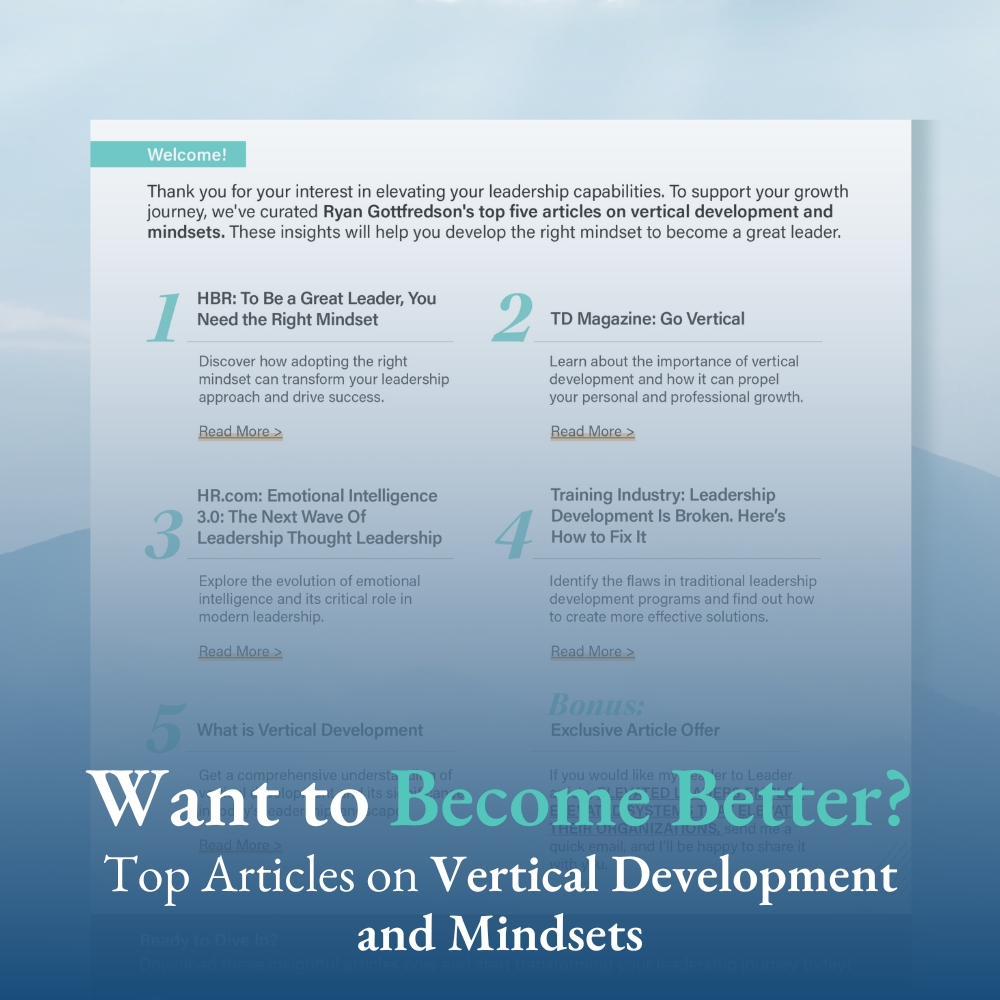
Vertical development
Vertical development is different.
It upgrades the leader’s operating mode—how they make sense of complexity, how they handle tension, how they regulate fear, how they respond under pressure, how they choose what matters.
It changes the altitude from which they lead.
And in complexity, altitude matters more than tools.
Because the altitude of leadership sets the ceiling of the system.
The real reason leadership development doesn’t stick: the default never changed
Here’s the simplest way to say it:
Most leadership development increases capability, but it doesn’t change the default.
So leaders return to the same gear.
They might be a more skilled version of themselves… but still operating in the same mode under pressure.
That creates a frustrating illusion:
“We’re investing in development, but nothing is changing.”
It’s changing at the surface.
But not at the operating-system level.
Why this is especially true for executive teams
At the executive level, the problem compounds because the environment constantly reinforces 5th-gear leadership.
Executives are rewarded for:
- fast results
- control of outcomes
- decisiveness
- certainty
- performance under pressure
Those are valuable.
But in complexity, the side effects build quietly:
- urgency becomes cultural oxygen
- control becomes the default leadership stance
- speed becomes reactivity
- decisions become churn
- teams become dependent
- candor declines
- trust becomes conditional
- the organization loses vitality
And because senior leaders are so busy, they often don’t see it until the cost becomes too obvious to ignore.
This is why so many leadership teams have high intelligence and high experience—yet still struggle with friction:
- misalignment
- conflict avoidance or escalation
- strategic drift
- execution friction
- culture fatigue
- change exhaustion
They don’t have a skills problem.
They have an operating mode problem.
What actually works: upgrading the operating mode
If leadership development is going to work in a complex world, it must help leaders do more than learn.
It must help them shift.
Specifically, it must help leaders shift:
- from urgency to steadiness
- from control to trust
- from fear-driven reactivity to curiosity
- from short-term wins to long-term value creation
- from leader-as-bottleneck to leader-as-multiplier
That shift is what we’re after.
And it requires something most leadership programs don’t provide:
- a shared language for the operating modes
- real-time practice under pressure
- reflection that doesn’t feel like therapy
- safety to tell the truth
- accountability that doesn’t rely on one leader
- enough reps over time for the new mode to become the default
In other words: it must be developmental, not just informational.
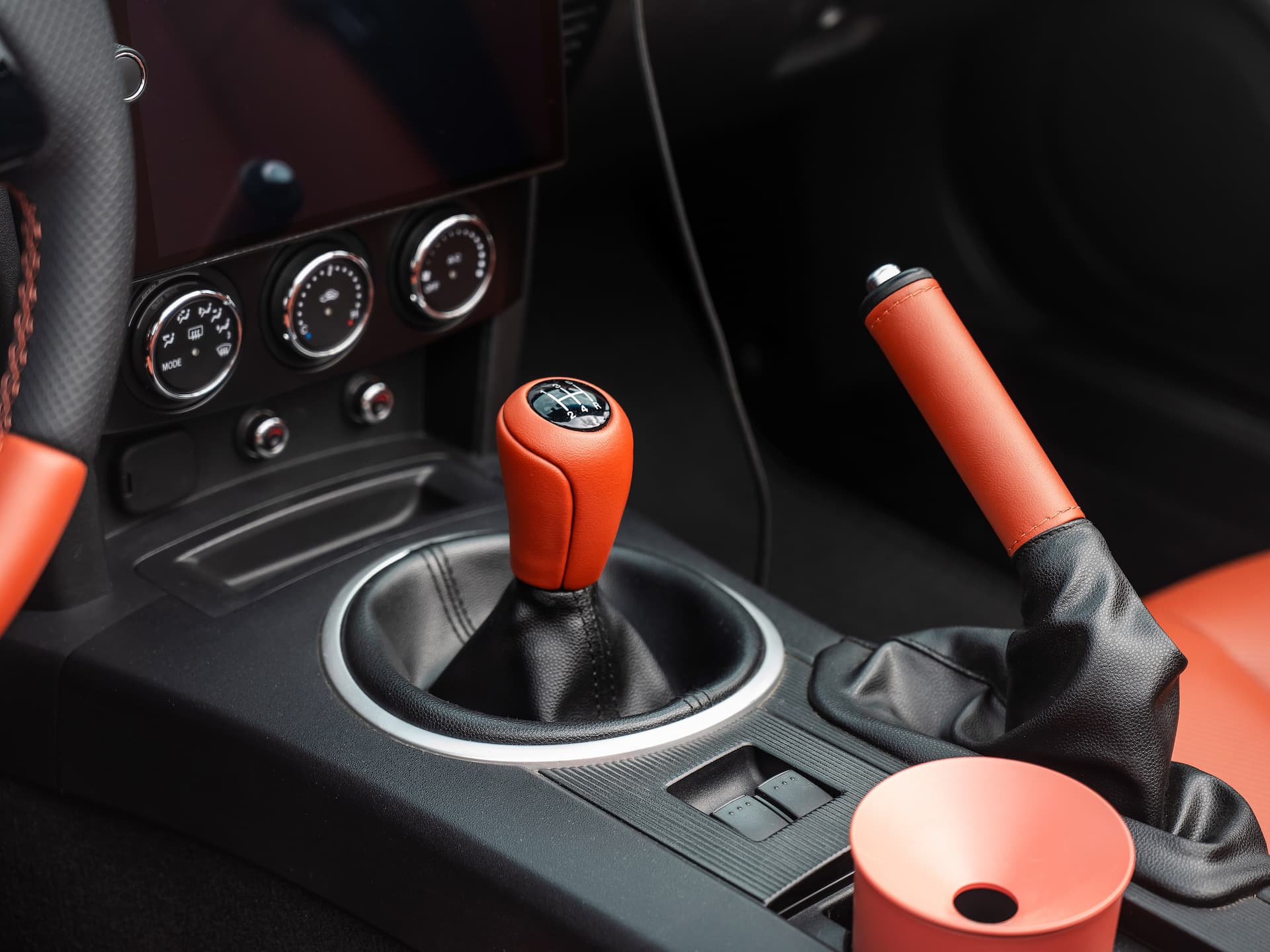
The “gear” metaphor makes this simple
This is why I use the language of gears.
Because most senior leaders intuitively understand this:
You can’t drive a complex road by simply pressing harder on the gas.
At some point, you need to shift gears.
You need a higher operating mode.
That’s what I call 6th Gear Leadership.
And it’s the difference between:
- grinding hard and carrying the organization
- or leading with clarity, steadiness, and multiplier impact
If you want to explore how I can help your leaders shift gears, let’s connect for a quick call.